Artificial Pollinator Using Gel-Coated Horsehair
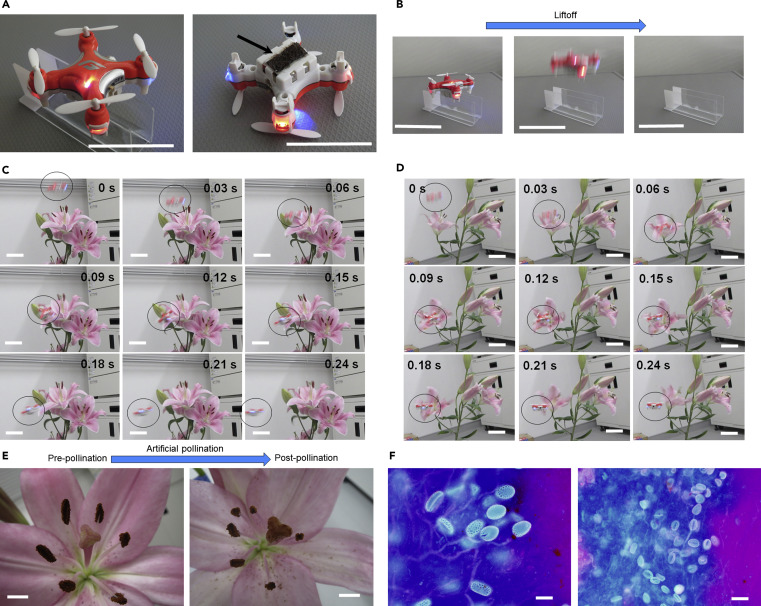
In 2017, Dr. Eijiro Miyako developed an artificial pollinator using a $100 drone and a sticky ionic gel-coated horsehair brush, enabling it to collect and transfer pollen like a bee. The idea came from a failed experiment with gel that turned out to be perfect for pollen collection.
While still experimental, his innovation offers a potential solution to pollinator decline—and could even support agriculture in space. The research demonstrated that the gel-coated brush could successfully pick up pollen from one flower and deposit it on another, completing the pollination process.
The Accidental Discovery
Dr. Miyako's breakthrough came from an unexpected source: a failed lab experiment. He had created a sticky gel that was supposed to be a liquid electrolyte but proved too viscous to work properly. After storing the gel in a drawer for nearly a decade, he noticed it was still sticky and realized it might be perfect for collecting pollen.
This ionic liquid gel has several properties that make it ideal for artificial pollination:
- Long-lasting stickiness that doesn't dry out
- Ability to carry an electric charge, which helps attract pollen
- Flexibility that allows it to conform to different flower shapes
- Durability in various environmental conditions
Implications for Space Agriculture
While Dr. Miyako's initial focus was addressing pollinator decline on Earth, his technology has clear applications for space agriculture. In enclosed habitats on Mars or the Moon, where bringing live pollinators would be challenging, robotic pollinators using similar gel technology could ensure crop reproduction.
The simplicity of the design—essentially a sticky brush on a small drone—means it could be manufactured with relatively limited resources in a space habitat. The ionic gel could potentially be synthesized from materials available in space, making it a sustainable solution for long-term missions.
The time-lapse images in Dr. Miyako's research show the precise movements needed for successful pollination, which could be programmed into autonomous robots designed specifically for Mars greenhouses.