Fast, Agile Robotic Insect Could Aid Mechanical Pollination
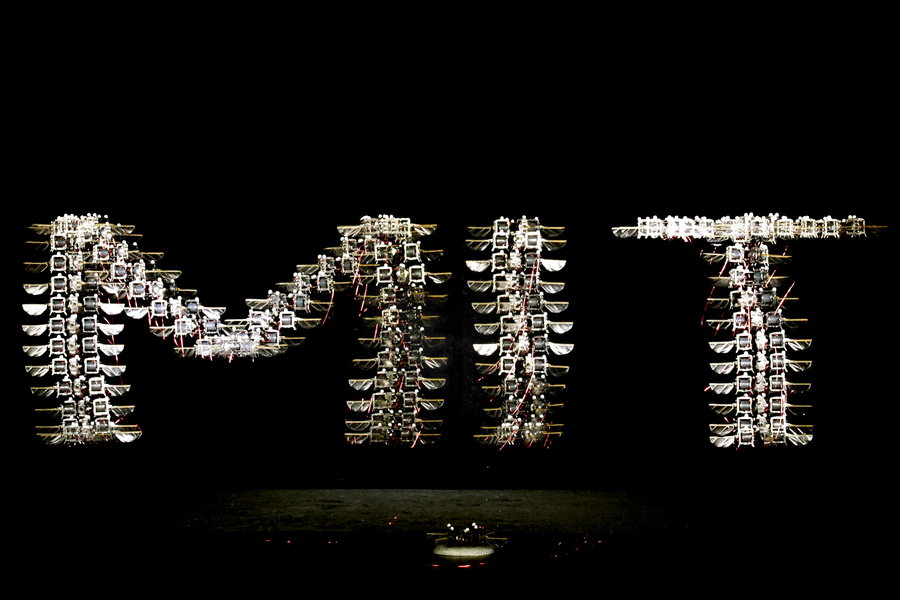
MIT researchers have developed a new robotic insect prototype that greatly improves on flight time and agility, aimed at artificial pollination in the future. This article describes how the tiny drone – weighing less than a paperclip – can now hover stably for over 16 minutes and perform acrobatic maneuvers.
The team envisions deploying swarms of such robo-bees from "mechanical hives" in multilevel indoor farms, where they would autonomously pollinate fruits and vegetables in controlled environments. While current robo-bees still cannot match real bees in endurance or maneuverability, the piece predicts that continued advances in materials, power, and AI will make them viable pollinators.
In the long term, these robotic bees could maintain crop growth in climates or colonies where real insects can't survive – for example, in Martian or lunar greenhouse farms enclosed from the natural atmosphere.
Key Innovations
- Lightweight design weighing less than a paperclip
- Extended flight time of over 16 minutes on a single charge
- Advanced maneuverability for navigating between plants
- Potential for autonomous operation in controlled environments
- Adaptable for use in space habitats where real insects cannot survive
Future Applications
The researchers believe these robotic insects could revolutionize indoor farming by providing reliable pollination without depending on natural pollinators. This would be especially valuable in urban vertical farms, where bringing in natural pollinators is impractical.