Robotic Bees Could Support Vertical Farms Today and Astronauts Tomorrow
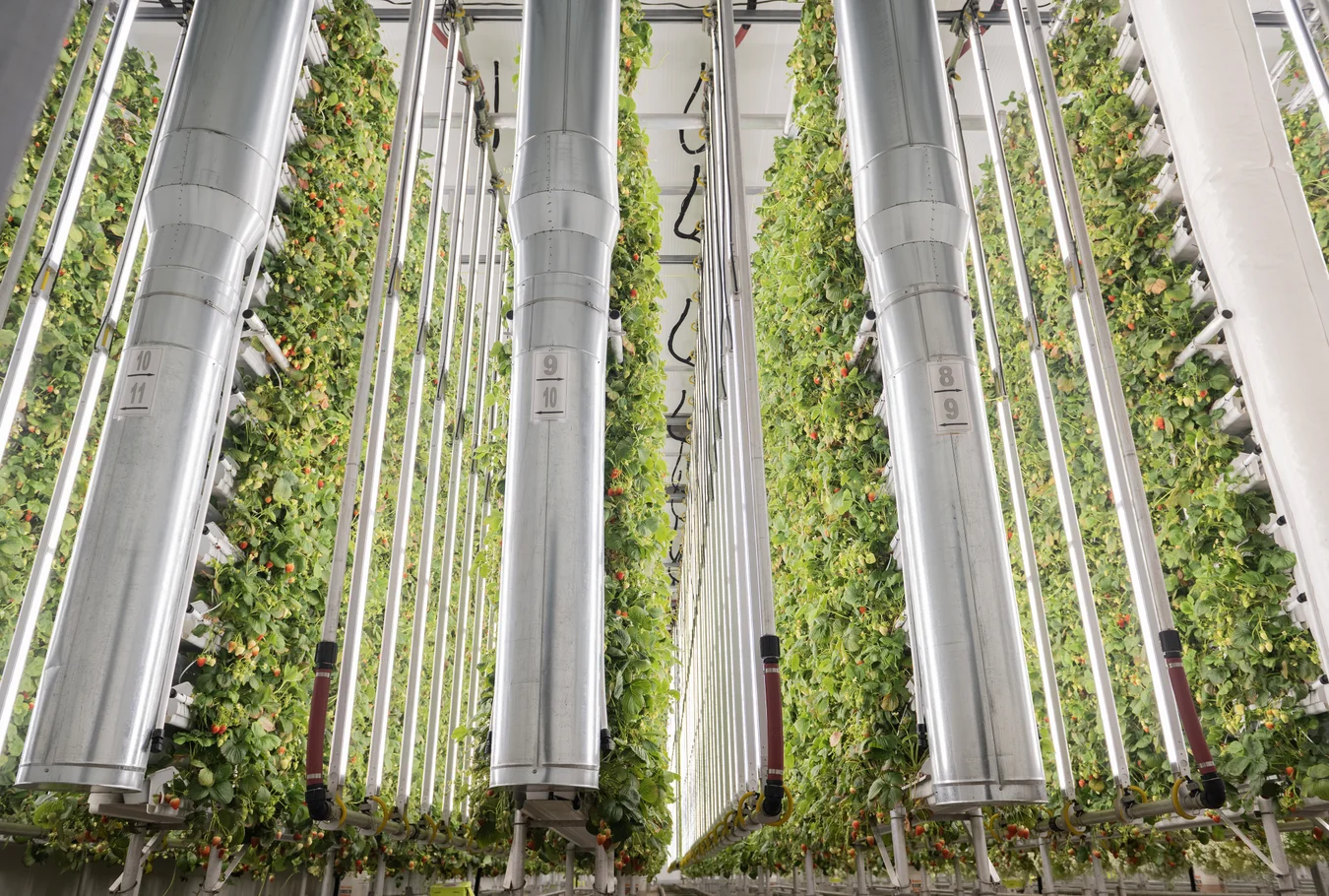
This article explores the emerging industry of robotic pollinators and how it could transform farming both on Earth and in space. Experts suggest that astronauts might one day 3D-print mechanical bees off-Earth to pollinate crops in space habitats, since metal bees could live longer than real insects.
The piece predicts that such robotic bees could supplement human-led space farming, offering durable, reusable pollinators to support future Martian or lunar greenhouses. Vertical farms could additionally aid in testing and refining these technologies before they're deployed in space.
Vertical Farming and Space Agriculture
Vertical farming represents a bridge technology between traditional Earth agriculture and future space farming. These controlled environment systems face many of the same challenges that space habitats will encounter:
- Limited growing space requiring maximum efficiency
- Controlled lighting, temperature, and humidity
- Need for artificial pollination solutions
- Water and nutrient recycling systems
- Energy efficiency requirements
Robotic Pollinators: From Earth to Mars
The article highlights how robotic pollinators being developed for vertical farms on Earth could be adapted for use in space habitats. Key advantages include:
- Durability in harsh environments where real insects cannot survive
- Programmable behavior to target specific plants at optimal times
- No need for food or complex life support systems
- Potential for on-site manufacturing using 3D printing
- Integration with habitat monitoring and maintenance systems
Experts interviewed in the article suggest that the first Mars missions will likely use a combination of hand pollination and robotic assistance, with robotic systems becoming more autonomous as the technology matures.